
Courses | Current Courses | Program Structure | Faculty | Journalism Program Code of Ethics
Journalism at STU
Our program prepares students to work in all aspects of news and current affairs production. Courses teach a combination of fundamental skills in writing, presentation, and production but also stay ahead of changes in the media landscape to offer classes on podcasting, documentaries, and digital journalism.
What sets STU’s Journalism Program Apart?
- Small, engaging classes that emphasize personal interaction, discussion, and debate.
- Ours is the only English-language Journalism program in New Brunswick.
- Our faculty includes award-winning journalists who’ve worked—and continue to work—as reporters, producers, and commentators in the professional media.
- Each year, STU hosts the Dalton Camp Lecture in Journalism which brings world-renowned journalists to campus. Past lecturers include Nahlah Ayed, Daniel Dale, Stephanie Nolen, Emily Bell, and Nelofer Pazira.
Where the Study of Journalism can Take You
Students in Journalism develop advanced skills in writing and editing and learn to present information in a compelling way. They are able to identify issues that others have missed or overlooked and can deliver facts and details in a way that shed light on otherwise complicated situations. Students also earn technical skills in video, photography, sound, and social media platforms.
This prepares graduates for meaningful careers in fields like:
- Print Journalism
- Television
- Radio
- Public Relations
- Business
- Media and Publishing
- Civil Service
Gain Experience and Build Your Resume
Connect the study of Journalism with professional experience through the STU Internship Program in positions with:
- 3+ Corporation
- CJPN Radio 90.5 FM
- Curling Canada
- The Dennis Report
Journalism is a hands-on, practical field of study. Students will be tasked with pitching stories, collecting interviews for print, television, and radio, editing, and producing their own work.
Upper year students will have the opportunity to complete an internship with the CBC. Some students have their work broadcast on CBC television, radio, or print channels.
Many journalism students write for the student newspaper, The Aquinian.
You might be interested in studying Journalism if…
- You are curious, energetic, and expressive
- You care about other people, the community you live in, and the state of the world in general
- You like to write and tell stories
Featured Courses
- Fundamentals of Effective Writing
- Media, Ethics, and the Law
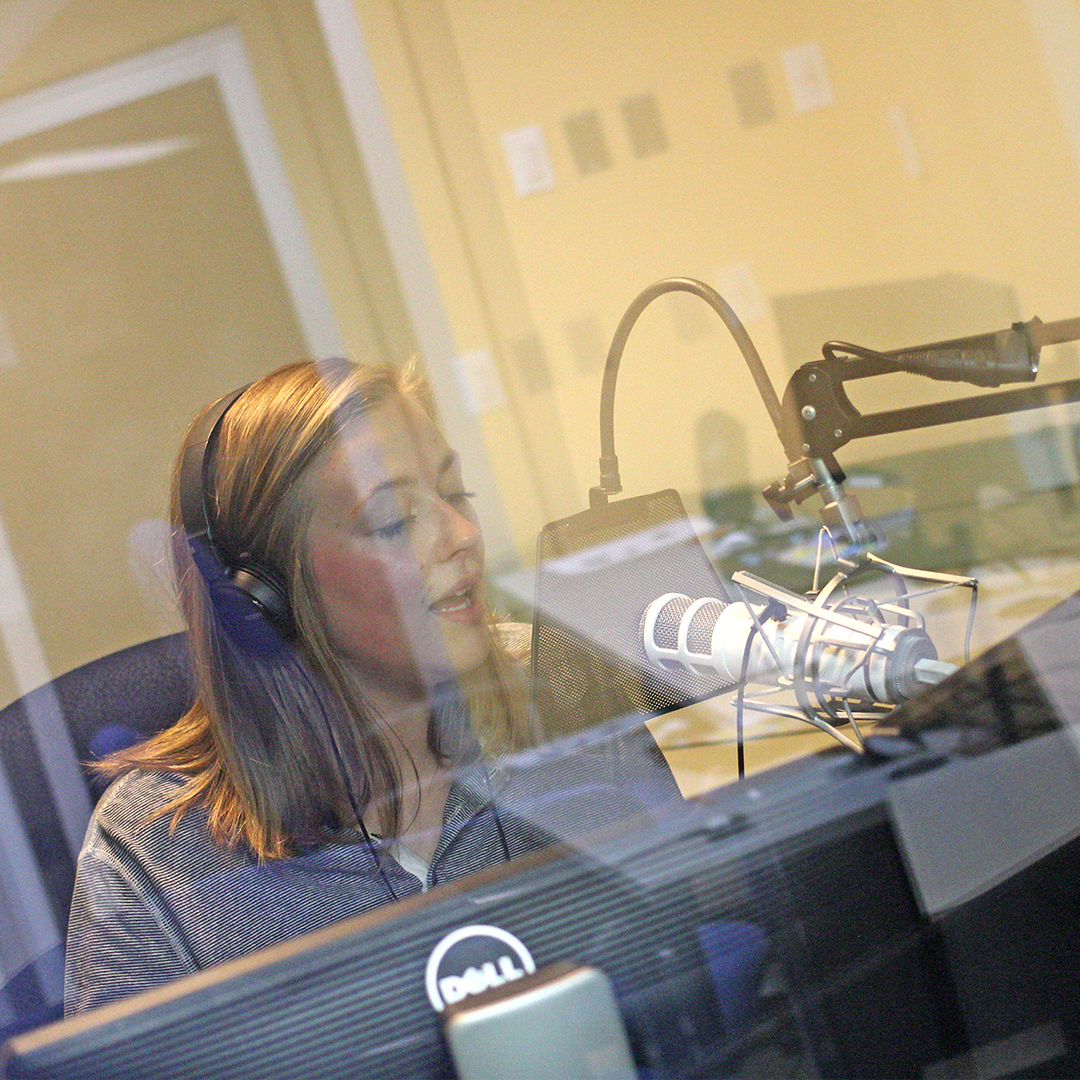
- Radio and Podcasting
- Commentary Journalism and Public Opinion
Contact Us
Dr. Jamie Gillies
Associate Professor and Chair
Coordinator of the Communications and Public Policy Program
Email: jgillies@stu.ca
McCain Hall, Room 311
Phone 506-452-0528
Fax 506-452-0411